When You Need Medical Care Fast, Where Should You Go?

When illness or injury strikes unexpectedly, most people immediately think of two options: urgent care or the emergency room. But there’s a third option that many Arizona residents are now choosing — mobile urgent care delivered directly to your home, office, or hotel.

For non-life-threatening conditions, mobile urgent care can provide the same level of treatment many patients would receive at a traditional urgent care clinic, without the long wait times, crowded waiting rooms, or stressful travel while sick.

As healthcare continues evolving, more families, busy professionals, seniors, and travelers in Phoenix, Scottsdale, and Paradise Valley are discovering the convenience of in-home medical care.


What Is Mobile Urgent Care?

Mobile urgent care is exactly what it sounds like: licensed medical professionals travel to the patient instead of the patient traveling to the clinic.

Board-certified emergency physicians can evaluate, diagnose, and treat many common urgent medical conditions in the comfort of your own home. Services often include:

  • IV hydration therapy
  • Flu and respiratory illness treatment
  • Minor wound care and suturing
  • Lab testing
  • Pediatric urgent care
  • Ear infections and sore throats
  • Gastrointestinal illness
  • Allergic reactions
  • Minor orthopedic injuries
  • Telemedicine follow-ups

Unlike concierge medicine memberships, many mobile urgent care providers allow patients to request care only when needed.


Situations Where Mobile Urgent Care Makes Sense

1. You’re Too Sick to Sit in a Waiting Room

If you’re dealing with fever, vomiting, flu symptoms, dehydration, or severe fatigue, leaving the house can feel impossible.

Mobile urgent care eliminates the need to drive while sick or spend hours sitting around other ill patients. Instead, medical care comes directly to you.

This is especially helpful for:

  • Parents with sick children
  • Elderly patients
  • Post-surgical recovery patients
  • Visitors staying in hotels or resorts
  • Busy professionals unable to leave work or home

2. You Want to Avoid the Emergency Room for Non-Emergencies

Emergency rooms are essential for true emergencies such as:

  • Chest pain
  • Stroke symptoms
  • Severe breathing difficulty
  • Major trauma
  • Loss of consciousness

However, many non-life-threatening conditions can be safely treated outside the ER.

Common issues appropriate for mobile urgent care may include:

  • Ear infections
  • Urinary tract infections
  • Bronchitis
  • Pink eye
  • Mild asthma flare-ups
  • Migraine headaches
  • Dehydration
  • Minor cuts and wounds

Choosing in-home urgent care for these conditions may help patients avoid expensive ER bills and long hospital wait times.


Benefits of In-Home Urgent Care

Personalized Attention

Traditional clinics often move quickly from patient to patient. Mobile urgent care visits typically allow for more one-on-one interaction and detailed care discussions.

Faster Access to Treatment

Instead of driving, parking, checking in, and waiting, patients can often begin treatment much sooner in their own environment.

Reduced Exposure to Illness

Crowded clinics and emergency rooms expose patients to additional viruses and infections. Receiving treatment at home minimizes unnecessary exposure.

Comfort and Convenience

There’s simply something reassuring about recovering in your own bed, surrounded by family and familiar surroundings.


Mobile Urgent Care for Arizona Visitors

Phoenix and Scottsdale welcome millions of visitors every year. Unfortunately, illness and injuries don’t pause for vacations or business trips.

Mobile urgent care can be especially valuable for:

  • Resort guests
  • Spring training visitors
  • Business travelers
  • Golf vacation groups
  • Families visiting Arizona during seasonal travel

Instead of searching for the nearest clinic in an unfamiliar city, travelers can often receive treatment directly in their hotel or rental property.


What Conditions Require the Emergency Room Instead?

Mobile urgent care is not a replacement for emergency medicine in critical situations.

You should call 911 or visit the ER immediately for:

  • Chest pain
  • Stroke symptoms
  • Severe bleeding
  • Major head injuries
  • Difficulty breathing
  • Seizures
  • Severe burns
  • Loss of consciousness

When in doubt, always seek emergency medical attention.


The Future of Convenient Healthcare

Patients today expect healthcare to be more accessible, personalized, and efficient. Mobile urgent care reflects that shift by bringing experienced medical professionals directly to patients when and where they need care most.

For many non-emergency illnesses and injuries, in-home urgent care offers a practical middle ground between traditional urgent care clinics and overcrowded emergency rooms.

As more Arizona residents discover the benefits of mobile healthcare, house call medicine is becoming an increasingly valuable option for modern families and busy professionals alike.


Need Urgent Care Without Leaving Home?

If you or a family member are dealing with a non-emergency medical issue in Phoenix, Scottsdale, or Paradise Valley, mobile urgent care may help you receive timely treatment without the stress of visiting a clinic.

Professional in-home medical care can provide convenience, comfort, and expert attention — all from the place you feel best: home.


At Dr House Calls of the Valley, we believe healthcare should feel personal, convenient, and compassionate. That is exactly why Dr. Mara Windsor created a medical practice focused on bringing quality healthcare directly to patients in the comfort of their own homes throughout Phoenix and the surrounding areas.

More families across the Valley are discovering the benefits of in-home medical care, especially when compared to crowded urgent care clinics and rushed office visits. Whether you are caring for an elderly loved one, recovering from an illness, or simply trying to avoid spending hours in traffic and waiting rooms, house call medicine offers a better experience for many patients.

Here are five of the biggest reasons our patients choose Dr House Calls of the Valley for in-home medical care in Phoenix.

1. Healthcare Comes to You

Living in Phoenix often means spending a lot of time driving. Between traffic, long commutes, and the Arizona heat, even a simple doctor appointment can turn into an exhausting experience.

At Dr House Calls of the Valley, we bring medical care directly to your home so you can focus on feeling better instead of worrying about transportation, parking, or crowded waiting rooms.

Our patients love the convenience of staying comfortable at home while receiving personalized medical attention from Dr. Mara Windsor and her team. For busy parents, working professionals, seniors, and patients recovering from illness, home visits can save hours of stress and disruption.

2. You Avoid Crowded Waiting Rooms

One of the most common things we hear from patients is how much they appreciate avoiding urgent care clinics and packed medical offices when they are already not feeling well.

Traditional waiting rooms can expose patients to colds, flu viruses, and other contagious illnesses. This can be especially concerning for seniors, young children, or patients with weakened immune systems.

By receiving care at home, our patients can stay in a familiar and controlled environment while still getting the medical attention they need. It is a safer and more comfortable option for many families across Phoenix.

3. Appointments Feel More Personal

At Dr House Calls of the Valley, we believe healthcare should never feel rushed. One of the biggest advantages of in-home medicine is the ability to spend meaningful time with patients and truly listen to their concerns.

Dr. Mara Windsor takes pride in building strong relationships with patients and families throughout Phoenix. Home visits create a more relaxed setting where patients often feel more comfortable asking questions and discussing their health openly.

This personalized approach allows us to better understand each patient’s needs, lifestyle, and overall wellness goals. Many patients tell us they finally feel heard and cared for in a way they have not experienced in traditional medical settings.

4. House Calls Are Ideal for Seniors

Phoenix is home to a large senior population, and many older adults benefit tremendously from in-home medical care. Traveling to appointments can become physically difficult for patients dealing with mobility issues, chronic pain, balance problems, or ongoing medical conditions.

Dr House Calls of the Valley helps seniors receive quality healthcare without the physical strain of leaving home. We commonly help manage conditions such as diabetes, high blood pressure, heart disease, arthritis, and COPD while allowing patients to remain comfortable in familiar surroundings.

Family caregivers also appreciate having a trusted physician like Dr. Mara Windsor available to provide attentive and compassionate care directly in the home.

5. Patients Recover More Comfortably at Home

There is simply no place more comfortable than home when you are not feeling well. Many patients recover better when they can rest in their own environment instead of sitting in waiting rooms or driving across the city for appointments.

Children are often less anxious during home visits, and adults appreciate being able to relax while receiving professional medical care. Our goal at Dr House Calls of the Valley is to make healthcare easier, less stressful, and more accessible for every patient we serve.

Why Phoenix Families Trust Dr House Calls of the Valley

At Dr House Calls of the Valley, we are proud to provide compassionate in-home healthcare throughout Phoenix. Dr. Mara Windsor founded our practice with the belief that patients deserve medical care that is both high quality and deeply personal.

We understand that modern life is busy, and healthcare should adapt to meet patients where they are. That is why we are committed to delivering professional, patient-centered medical care directly to your door.

If you are looking for a more convenient and personalized healthcare experience in Phoenix, Dr House Calls of the Valley is here to help.


Every summer, extreme heat sends thousands of people to the emergency room. In places like Arizona, where temperatures regularly climb above 110°F, heat illness is more than just discomfort. It can quickly become dangerous or even deadly.

The problem is that heat-related illness usually doesn’t happen all at once. It develops in stages, beginning with mild dehydration and overheating before progressing into heat exhaustion and eventually heat stroke.

Knowing the warning signs early can make all the difference.

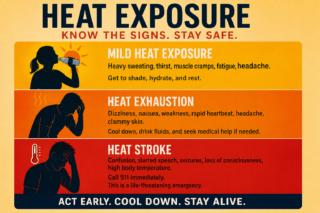
The First Stage: Mild Heat Exposure

Most heat illness starts with what people often dismiss as “just being overheated.” You may notice heavy sweating, unusual fatigue, muscle cramps, headaches, or intense thirst after spending time outside.

This happens because the body is losing fluids and electrolytes faster than it can replace them. In Arizona’s dry climate, this can happen surprisingly fast because sweat evaporates so quickly that many people don’t realize how dehydrated they’ve become.

At this stage, the body is still able to cool itself, but it’s struggling.

The best thing you can do is get out of the heat immediately. Move into shade or air conditioning, drink water slowly, and allow your body time to recover. Ignoring these early symptoms is often what leads to more serious heat illness.


When Heat Exposure Becomes Heat Exhaustion

Heat exhaustion is the body’s warning that it can no longer keep up with the heat.

Symptoms become more intense and may include dizziness, nausea, weakness, headaches, rapid heartbeat, and clammy skin. Some people feel lightheaded or faint, while others become mentally foggy and unusually tired.

Unlike mild heat stress, heat exhaustion can become dangerous quickly if it isn’t treated.

The body is now struggling to regulate temperature and maintain proper circulation. Dehydration worsens, heart rate increases, and internal temperature continues climbing.

Treatment should happen immediately. Cooling the body is critical. Move indoors if possible, loosen clothing, drink fluids with electrolytes, and use cool towels or ice packs around the neck and under the arms.

If symptoms continue getting worse, medical attention may be necessary.


Heat Stroke Is a Medical Emergency

Heat stroke is the most severe form of heat illness and requires immediate emergency care.

At this point, the body’s cooling system begins to fail entirely. Core body temperature rises rapidly, and serious damage to the brain and organs can occur within minutes.

Warning signs include confusion, slurred speech, loss of consciousness, seizures, and extremely high body temperature. Some people stop sweating altogether, although others may continue sweating heavily.

Heat stroke is not something you “sleep off” or wait out.

If someone shows signs of heat stroke, call 911 immediately and begin cooling them while waiting for emergency responders. Move them into shade, remove excess clothing, and apply ice or cool water as quickly as possible.

Rapid cooling saves lives.


Why Arizona Heat Is Especially Dangerous

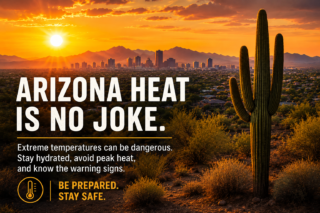
Extreme heat in Arizona creates unique risks. The dry desert climate causes people to lose fluids rapidly, often before they even realize they are dehydrated.

Cities like Phoenix, Arizona, USA regularly experience temperatures well above 100°F for extended periods during the summer. Outdoor workers, hikers, athletes, and older adults are especially vulnerable.

One of the biggest mistakes people make is assuming they can “push through” the heat. The body does not adapt instantly, and prolonged exposure can overwhelm even healthy individuals.


How to Prevent Heat Illness

Preventing heat illness starts with respecting the heat before symptoms begin.

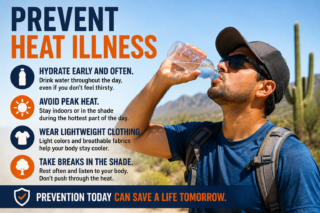
Hydration is essential, but timing matters too. Drinking water only after you feel thirsty often means you’re already behind. Staying ahead of dehydration throughout the day is especially important in hot climates.

Avoiding outdoor activity during peak afternoon heat can dramatically reduce risk. Early mornings and evenings are much safer for exercise, yard work, or hiking.

Clothing also matters more than many people realize. Lightweight, breathable fabrics help the body cool itself more effectively, while heavy or dark clothing traps heat.

Most importantly, pay attention to how you feel. Fatigue, dizziness, cramps, and nausea are not signs to “tough it out.” They are warning signals from your body.


Final Thoughts

Heat illness can escalate quickly, especially during Arizona summers. What begins as mild overheating can turn into heat exhaustion or heat stroke within a short period of time if symptoms are ignored.

Understanding the progression of heat illness — and responding early — is one of the best ways to stay safe in extreme temperatures.

If you spend time outdoors during hot weather, know the signs, stay hydrated, and take heat exposure seriously before it becomes an emergency.


Mental Health Awareness Month in May is more than a calendar event for emergency medicine physicians. It is a necessary checkpoint. The reality is simple: the demands of emergency medicine continue to push physicians to their limits, and the data shows it clearly.

The State of Emergency Medicine Physician Mental Health

Emergency medicine physicians face some of the highest rates of burnout in healthcare. Recent post-pandemic data suggests that approximately 50% of emergency physicians report symptoms of burnout, driven by long shifts, high patient volume, administrative burden, and repeated exposure to trauma.

But burnout is just the surface.

  • Depression: Around 25–30% of emergency physicians report symptoms of depression
  • Anxiety: Roughly 25% experience clinically significant anxiety
  • Sleep disorders: Shift work and circadian disruption contribute to chronic sleep deprivation and insomnia in a large percentage of physicians

These are not isolated issues. They compound over time and begin to affect physical health, cognitive performance, and patient care.

The Post-Pandemic Reality

The COVID-19 pandemic intensified existing stressors and introduced new ones: moral injury, resource scarcity, and prolonged uncertainty. While the acute phase has passed, the aftereffects remain.

Physician suicide continues to be a critical concern. Estimates suggest that 300–400 physicians in the United States die by suicide each year, with emergency medicine physicians considered a higher-risk group due to the nature of their work. Burnout rates have not returned to pre-pandemic baselines, and in many systems, they’ve worsened.

The Physical Toll of Burnout

Burnout is not just mental. It shows up physically in ways that are often ignored:

  • Chronic fatigue and low energy
  • Headaches and migraines
  • Gastrointestinal issues
  • Increased risk of hypertension and cardiovascular disease
  • Weakened immune function
  • Substance use as a coping mechanism

Over time, these symptoms can evolve into long-term health conditions if left unaddressed.

Why Emergency Medicine Is Uniquely Vulnerable

Emergency physicians operate in an environment defined by:

  • Unpredictability and lack of control
  • High-stakes, rapid decision-making
  • Frequent exposure to trauma and death
  • Irregular schedules that disrupt sleep and recovery
  • Limited continuity of care, which can reduce a sense of closure or reward

This combination creates the perfect storm for emotional exhaustion and detachment if protective measures are not in place.

Practical Strategies to Protect Your Mental Health


There is no single fix, but there are proven ways to reduce risk and build resilience.

1. Protect Your Sleep Aggressively
Treat sleep as a non-negotiable. Use blackout curtains, limit caffeine late in shifts, and create consistent wind-down routines after nights.

2. Build a Real Support System
Peer support matters. Whether it is colleagues, mentors, or a therapist, having people who understand the job reduces isolation and normalizes the struggle.

3. Set Boundaries Where You Can
Emergency medicine limits control, but not entirely. Be intentional about scheduling preferences, time off, and saying no when possible.

4. Move Your Body Regularly
Exercise is one of the most effective ways to regulate stress, improve mood, and counteract the physical effects of burnout.

5. Limit Maladaptive Coping
Alcohol, isolation, and overwork can quietly become default coping mechanisms. Recognizing these patterns early is critical.

6. Use Professional Resources Without Hesitation
Employee assistance programs, confidential counseling, and physician support lines exist for a reason. Using them is not a weakness, it is maintenance.

7. Reconnect With Meaning Outside the ED
Hobbies, family, time outdoors, and non-medical interests provide psychological distance from the job and help restore perspective.

Changing the Culture

One of the biggest barriers to physician wellness is culture. Medicine has historically rewarded endurance over sustainability. That has to shift.

Talking openly about mental health, supporting colleagues who are struggling, and normalizing help-seeking behavior are not soft initiatives. They are necessary changes to preserve the workforce and improve patient care.

Final Thoughts

Emergency medicine physicians are trained to prioritize others in moments of crisis. But Mental Health Awareness Month is a reminder that ignoring your own well-being comes at a cost.

Taking care of yourself is not optional. It is part of doing the job well and staying in it long enough to matter.

If you are feeling the weight of burnout, anxiety, or depression, addressing it early is one of the most important clinical decisions you can make—just for yourself this time.


A few years ago, drugs like semaglutide were just another tool for managing Type 2 Diabetes. Now they’re being talked about like they might change everything from obesity to aging to addiction.

Whenever something gets that much attention that quickly, the signal gets buried under noise. Some of what you’re hearing is backed by strong clinical evidence. Some of it is early-stage science being stretched into conclusions it hasn’t earned yet.

If you strip away the marketing and the headlines, the real story is more grounded and, in some ways, more interesting.


Why These Drugs Work So Well in the First Place

GLP-1 receptor agonists don’t do anything exotic. They amplify a system your body already uses to regulate food intake and blood sugar. After you eat, your body releases GLP-1 to help coordinate insulin release, slow digestion, and signal that you’ve had enough.

Semaglutide essentially strengthens that signal.

Food stays in the stomach longer, appetite drops, and blood sugar spikes are blunted. People don’t have to “try harder” to eat less. They just… do. That’s the piece most diets fail to solve, and it’s why these drugs have had such an outsized impact.


The Results in Diabetes and Obesity Are Not Subtle

In Type 2 Diabetes, the benefit is straightforward and well-established. Blood sugar improves, long-term complications are reduced, and large cardiovascular outcome trials have shown fewer heart attacks and strokes in high-risk patients. This isn’t emerging science. It’s already part of standard care.

Where things really shifted public attention is obesity.

In the STEP trials, people weren’t losing five pounds here and there. They were losing double-digit percentages of their body weight and, more importantly, keeping a meaningful portion of it off while on the medication. That changes risk profiles across the board, from blood pressure to lipid levels to systemic inflammation.

It’s one of the first times a medication has consistently produced that level of weight loss without surgery. That alone explains most of the excitement.


The Liver Story: Real Improvements, Overstated Conclusions

There’s also been a surge of interest in how these drugs affect Nonalcoholic Fatty Liver Disease, which is tightly linked to obesity and insulin resistance.

Clinical studies show that liver fat decreases, enzyme levels improve, and markers of inflammation trend in the right direction. For a condition that often progresses silently toward more serious disease, that matters.

But this is where language starts to drift.

You’ll see claims about “liver regeneration,” which implies something far more dramatic than what’s actually been demonstrated. The current evidence supports improvement in liver health, not the regrowth of damaged liver tissue in a true regenerative sense. A lot of the benefit appears to come from weight loss and better metabolic control, not a direct rebuilding of the liver itself.

That distinction gets lost in translation, especially outside medical literature.


Anti-Aging: Mechanistically Interesting, Clinically Unproven

The anti-aging conversation is even more prone to exaggeration.

At the cellular level, GLP-1 signaling appears to influence processes that are tightly connected to aging: oxidative stress, inflammation, mitochondrial efficiency, and even pathways related to cellular senescence. In animal models, those effects look promising.

But promising mechanisms are not the same as proven outcomes.

In humans, we do not have clinical trials showing that semaglutide slows aging or extends lifespan. What we do have is something more indirect: people on these medications often improve the exact risk factors that drive age-related disease in the first place. Cardiovascular disease risk drops. Metabolic health improves. Complications tied to obesity and diabetes become less likely.

That can absolutely translate into living longer or healthier lives. It just doesn’t mean the drug itself is an anti-aging therapy in the way people are starting to describe it.


The Unexpected Angle: Addiction and Alcohol Use

One of the more intriguing areas of research is how GLP-1 drugs affect behavior, particularly around reward.

Early studies, including animal models and small human observations, suggest these drugs may reduce the desire for alcohol and dampen reward-driven consumption patterns. That has obvious implications for conditions like Alcohol Use Disorder.

The mechanism makes sense. GLP-1 receptors are present in parts of the brain that regulate reward and motivation. If those signals are being modulated, it could change how reinforcing certain behaviors feel.

But this is still early. There isn’t enough clinical evidence to treat GLP-1 drugs as a standard therapy for addiction. It’s a signal worth paying attention to, not a conclusion.


The Tradeoffs Are Real

For all the upside, these medications are not neutral.

The most common issues are gastrointestinal. Nausea, vomiting, and general digestive discomfort show up early for a lot of people, especially as doses increase. Some adapt. Some don’t.

More serious risks exist, even if they’re less common. Pancreatitis has been reported. Gallbladder issues appear more frequently in some patients. There are also ongoing questions about long-term effects, including signals seen in animal studies related to thyroid tumors.

Then there’s the practical reality most people don’t factor in at the beginning: when the medication stops, the biology it was controlling tends to come back. Appetite returns. Weight regain is common. For many people, this becomes a long-term or indefinite therapy, not a short intervention.


So Where Does That Leave All the Hype?

GLP-1 drugs like semaglutide are one of the most meaningful advances in metabolic medicine in decades. That part is justified.

They work. Not marginally, but in ways that change real clinical outcomes.

At the same time, they’re being asked to carry claims the evidence doesn’t fully support yet. They are not proven anti-aging drugs. They do not regenerate organs in the way headlines suggest. They are not a standalone solution that replaces behavior, diet, or long-term strategy.

They’re a powerful tool. And like most powerful tools, they work best when they’re used for what they actually do—not what people wish they did.


Low-dose naltrexone (LDN) has become a buzzword in functional medicine, longevity circles, and chronic illness communities. Originally developed as a treatment for opioid and alcohol dependence, Naltrexone at much lower doses is now being explored for its potential role in reducing inflammation, regulating the immune system, and even supporting anti-aging strategies.

But how much of this is backed by real science—and how much is still speculative?

Here’s a comprehensive, SEO-optimized breakdown of the pros, cons, and current evidence behind LDN.


What Is Low-Dose Naltrexone?

Low-dose naltrexone refers to doses typically between 0.5 mg and 4.5 mg—far lower than the standard 50 mg dose used for treating Alcohol Use Disorder or opioid dependence.

At these lower doses, LDN appears to act very differently in the body, particularly influencing the immune system and inflammation pathways.


How LDN Works: The Science Explained

LDN is believed to work through two primary mechanisms:

1. Endorphin Modulation

LDN temporarily blocks opioid receptors, which may stimulate the body to increase production of endorphins—your natural “feel good” and immune-regulating chemicals.

2. Microglial Cell Suppression

LDN may reduce activation of microglia (immune cells in the brain and nervous system), which play a key role in neuroinflammation. This is especially relevant in conditions like Fibromyalgia and Multiple Sclerosis.


Benefits of Low-Dose Naltrexone for Chronic Inflammation

1. Reduction in Inflammatory Markers

Emerging studies suggest LDN may reduce pro-inflammatory cytokines, signaling molecules that drive chronic inflammation.

2. Symptom Improvement in Chronic Conditions

Small clinical trials and pilot studies have shown improvements in:

  • Crohn’s Disease
  • Fibromyalgia
  • Multiple Sclerosis

Patients often report reduced pain, fatigue, and improved quality of life.

3. Low Cost and Favorable Safety Profile

LDN is inexpensive and generally well tolerated, making it an attractive off-label option for patients who have not responded to traditional therapies.


Limitations and Risks of LDN

1. Lack of Large-Scale Clinical Trials

Most studies on LDN are small, short-term, or observational. There is still a lack of large randomized controlled trials—the gold standard in medical research.

2. Off-Label Use

LDN is not FDA-approved for treating chronic inflammation or autoimmune conditions. This means:

  • Insurance often doesn’t cover it
  • Prescribing practices vary widely

3. Potential Side Effects

While generally mild, side effects can include:

  • Vivid dreams
  • Insomnia
  • Headaches
  • Gastrointestinal discomfort

These typically resolve within a few weeks.


LDN and Alcohol Use Disorder: What’s the Difference?

Standard-dose Naltrexone is well-established for treating Alcohol Use Disorder. It works by blocking the rewarding effects of alcohol, reducing cravings and relapse rates.

However, LDN (low-dose) has not been well studied for alcohol dependence. Most evidence supports full-dose therapy, not microdosing.


LDN in Anti-Aging and Regenerative Medicine

LDN is gaining traction in longevity and biohacking communities due to its potential to:

  • Reduce chronic low-grade inflammation (linked to aging)
  • Support immune balance
  • Improve cellular signaling

Chronic inflammation—often called “inflammaging”—is a major driver of diseases like:

  • Type 2 Diabetes
  • Alzheimer’s Disease

While the theory is compelling, clinical evidence in anti-aging is still limited. Most claims are extrapolated from small studies or related mechanisms.


Who Might Benefit from LDN?

LDN may be considered for individuals with:

  • Chronic inflammatory conditions
  • Autoimmune disorders
  • Persistent pain syndromes
  • Conditions involving neuroinflammation

However, it should always be discussed with a qualified healthcare provider familiar with off-label therapies.


Who Should Avoid LDN?

LDN is not appropriate for:

  • Individuals currently using opioid medications
  • Patients with certain liver conditions
  • Those needing standard-dose naltrexone for addiction treatment

Final Verdict: Is LDN Worth Considering?

Low-dose naltrexone sits in an interesting middle ground between promising and unproven.

What we know:

  • It shows real anti-inflammatory and immune-modulating potential
  • It appears safe and accessible
  • Early clinical results are encouraging

What we don’t know:

  • Long-term outcomes
  • Optimal dosing protocols across conditions
  • Large-scale validation in rigorous trials

If you’re dealing with chronic inflammation and conventional treatments haven’t worked, LDN may be worth exploring—but with realistic expectations.


When temperatures climb during the summer, especially in desert and high-heat regions, your body has to work much harder to stay cool. If you are not paying attention to hydration and early warning signs, this can quickly turn into serious conditions like dehydration, heat exhaustion, or even heat stroke.

This guide will walk you through what to look for, when to take action, and how to stay properly hydrated so you can stay safe during extreme heat.


Understanding Heat-Related Illnesses

a man laying on a white bench next to a pool

Dehydration: The First Warning Sign

Dehydration is usually the first sign that your body is struggling in the heat. It happens when you lose more fluids than you are taking in, which can happen quickly on hot days.

You might notice things like feeling very thirsty, having darker urine than normal, or feeling tired and a little lightheaded. Dry skin or a dry mouth are also common signs.

If you catch dehydration early, the solution is simple. Start drinking fluids right away. Water is best, and adding electrolytes can help your body recover faster. The key is to stay ahead of it rather than trying to fix it after it gets worse.


Heat Exhaustion: When Your Body Is Overheating

If dehydration continues or your body cannot keep up with the heat, it can turn into heat exhaustion. At this stage, your body is starting to struggle to regulate its temperature.

You may feel weak, dizzy, or nauseous. Many people experience heavy sweating but have cool, clammy skin. Headaches and muscle cramps are also common, and in some cases people may faint.

If this happens, get out of the heat immediately. Move into a shaded or air-conditioned space, drink fluids slowly, and try to cool your body down with cold compresses or a damp cloth. If symptoms do not improve within about an hour or if they get worse, it is important to seek medical care.


Heat Stroke: A Medical Emergency

Heat stroke is the most serious heat-related illness and requires immediate medical attention. At this point, the body can no longer control its temperature.

Signs of heat stroke include a very high body temperature, confusion, a rapid pulse, and skin that feels hot to the touch. Some people lose consciousness or become disoriented.

If you suspect heat stroke, call 911 right away. While waiting for help, move the person into a cooler area and try to lower their body temperature with cool cloths or ice packs. Do not give fluids if they are not fully alert.


Staying Hydrated the Right Way

For most people, staying hydrated starts with simple daily habits. Drinking water consistently throughout the day is the most effective way to prevent heat-related illness. Waiting until you feel thirsty usually means you are already behind.

Electrolyte drinks can be helpful, especially if you are sweating heavily or spending long periods outdoors. These help replace important minerals like sodium and potassium that your body loses through sweat. Foods like watermelon, cucumbers, and oranges can also contribute to hydration.

A simple way to check your hydration level is by looking at your urine color. Light yellow is a good sign. Darker shades usually mean you need more fluids.


When IV Hydration Makes Sense

Sometimes drinking fluids is not enough, especially if dehydration becomes more severe or symptoms come on quickly. This is where IV hydration can be a much more effective option.

IV therapy delivers fluids directly into your bloodstream, which allows your body to rehydrate faster than drinking alone. It also helps restore electrolytes quickly and can improve energy levels and mental clarity in a short amount of time.


IV Hydration Services with Dr. Windsor

Dr. Windsor and her team at Doctor Housecalls of the Valley provide in-home medical care, including IV hydration treatments for heat-related illnesses. This means you can receive care without having to sit in an urgent care or emergency room.

Their services include IV fluids, electrolyte replacement, and vitamin support, all administered in the comfort of your home. This can be especially helpful if you are feeling too weak or unwell to travel.

Website:
https://drhousecallsofpv.com/

Yelp Reviews:
https://www.yelp.com/biz/doctor-housecalls-of-the-valley-scottsdale


What to Expect from IV Hydration Therapy

IV hydration treatments are customized based on what your body needs, but most include a combination of fluids, electrolytes, and vitamins.

Fluids like saline help restore hydration levels, while electrolytes such as sodium, potassium, and magnesium support muscle and nerve function. Many treatments also include vitamins like B complex and vitamin C to help with energy and recovery.

These treatments are often recommended for people dealing with more serious dehydration, ongoing heat exhaustion symptoms, or situations where it is difficult to keep fluids down.


Additional Medical Resources

If you want to learn more about heat safety and prevention, these trusted resources offer helpful guidance:

Centers for Disease Control and Prevention
https://www.cdc.gov/disasters/extremeheat/index.html

National Weather Service Heat Safety
https://www.weather.gov/safety/heat


Final Thoughts

Extreme heat can take a toll on your body faster than most people realize. Knowing how to recognize early symptoms and respond quickly can make a big difference.

Stay consistent with hydration, pay attention to how you feel, and do not ignore warning signs. If symptoms start to escalate, getting professional care quickly can help prevent serious complications.

Taking a few simple precautions can help you stay safe, healthy, and comfortable all summer long.


Summer is one of the busiest travel seasons for families heading outside the United States. Whether you’re planning a tropical vacation, a wilderness adventure, or visiting a region with higher risk for infectious diseases, preparing your health plan before you leave is just as important as booking flights and hotels.

Dr. Windsor and the team at Dr. Housecalls of the Valley provide specialized pre-travel medical consultations, customized wilderness travel kits, and telemedicine support to help families travel safely all summer long.

This guide explains how to prepare for international travel, what medications you may need, and how to check health risks for your destination.


Why You Should Schedule a Pre-Travel Medical Consultation

Traveling can expose you to unfamiliar bacteria, viruses, insects, and environmental conditions. A pre-travel visit allows a physician to review your destination, activities, and medical history so you can be properly prepared.

During a pre-travel consultation, Dr. Windsor may provide:

  • Destination-specific health advice

  • Required or recommended vaccines

  • Preventative medications

  • Travel safety planning

  • Prescription travel kits

It is recommended to schedule your consultation 4–6 weeks before departure to allow time for vaccines or medications to take effect.


Custom Wilderness Travel Kits with Prescribed Medications

Families traveling to remote areas, national parks, foreign countries, or off-grid locations may not have quick access to medical care. Dr. Windsor prepares custom wilderness travel kits that include physician-prescribed medications for the most common travel-related illnesses.

These kits may include medications for:

  • Traveler’s diarrhea

  • Altitude sickness

  • Motion sickness

  • Allergic reactions

  • Skin infections

  • Insect bites and stings

  • Respiratory infections

  • Pain and inflammation

Each kit is customized based on your destination, trip length, and planned activities. This is especially important for:

  • Backpacking trips

  • Safari travel

  • Cruises

  • Remote international travel

  • High-altitude destinations

  • Developing countries

Having the right medications on hand can prevent minor problems from becoming major emergencies.


Check Disease Risk Before Traveling

Some regions of the world have higher risk for communicable diseases such as:

  • Malaria

  • Yellow fever

  • Typhoid

  • Dengue fever

  • Hepatitis A and B

  • Cholera

Before traveling, families should review the CDC travel health website to see what risks exist in their destination.

Use the CDC destination tool here:
https://wwwnc.cdc.gov/travel/destinations/list

This interactive map allows you to:

  • Type in your destination

  • View disease alerts

  • Check vaccine requirements

  • See recommended medications

  • Review travel notices

You can also review the CDC disease directory here:
https://wwwnc.cdc.gov/travel/diseases

These tools help travelers understand what precautions to take before leaving the United States.


Know Which Vaccines Are Required for Your Destination

Many countries require proof of certain vaccines before entry. Others strongly recommend vaccines due to local disease risk.

Examples of travel vaccines may include:

  • Yellow fever

  • Typhoid

  • Hepatitis A

  • Hepatitis B

  • Rabies

  • Japanese encephalitis

  • Tetanus booster

The CDC travel planner allows you to search by country to see exactly what is required:
https://wwwnc.cdc.gov/travel

Dr. Windsor can review these recommendations with you and determine what is appropriate for your age, health history, and travel plans.


Telemedicine Support While Traveling in the United States

If you are an Arizona-based patient of Dr. Windsor, you can still receive care while traveling within the United States.

Dr. Housecalls of the Valley offers telemedicine visits so patients can:

  • Ask medical questions while traveling

  • Treat minor illnesses

  • Refill prescriptions

  • Get medical advice without visiting urgent care

This makes summer travel easier for families who want access to their physician wherever they go.


Schedule Your Pre-Travel Consultation with Dr. Windsor

Safe travel starts with proper preparation. A pre-travel consultation can help prevent illness, avoid emergencies, and give you peace of mind while you enjoy your trip.

Dr. Windsor and her healthcare team at Dr. Housecalls of the Valley provide:

  • Pre-travel medical evaluations

  • Custom wilderness travel kits

  • Travel vaccines guidance

  • Prescription medications for travel

  • Telemedicine for Arizona patients

To schedule a consultation, contact:

Dr. Windsor
Dr. Housecalls of the Valley
Phone: 480-948-0102
Website: https://drhousecallsofpv.com/
Email: doctorhousecallsofpv@gmail.com

Plan ahead, travel smart, and keep your family healthy this summer.


A four-part guide to clearing what no longer serves you — and making space for what does.

Spring isn’t just about cleaning out closets. It’s an invitation to start fresh from the inside out — to release mental clutter, unlock a tense body, fortify your immune system, and open up to new energy. Here’s how to do all four.

Declutter Your Mind

Is your mind feeling cluttered lately?

Just like spring cleaning your home, your mind needs space to breathe. We accumulate mental noise — old worries, replayed conversations, future anxieties — and most of us never pause to sweep it out. The result is a kind of low-grade fog that makes it hard to think clearly, feel fully, or simply be present.

The good news: you don’t need a week-long retreat to reset. Small, consistent practices can create enormous mental clarity over time.

  • 10 minutes of meditation.You don’t need an app or a guru. Sit quietly, follow your breath, and notice when your mind wanders — then gently return. That noticing is the practice.
  • Journal to release old thoughts.Putting words on paper externalizes what’s been looping in your head. You don’t have to write beautifully — just honestly.
  • Visualize letting go of past regrets.Picture each regret as a leaf floating downstream. You’re not erasing the memory — you’re releasing the grip it has on you.

These small acts can lead to remarkable mental clarity. Your mind deserves a reset just as much as your inbox does.

💬 What will you let go of today?

Release Tension from Your Body

Tension hides in the body like dust in corners.

Shoulders tight? Back stiff? Before you blame your chair, consider this: the body is an archive. It stores every stressful meeting, every unspoken frustration, every night you stayed up too late. Emotional clutter doesn’t just live in your head — it settles into your muscles, your posture, your breath.

Movement is medicine, and you don’t need a gym to start reclaiming your physical flow. These three practices are designed to undo the holding patterns your body has quietly built up.

  • Progressive Muscle Relaxation (PMR).Systematically tense and release each muscle group from feet to forehead. It sounds simple because it is — and it works remarkably well for unwinding accumulated tension.
  • Restorative Yoga.Not a workout — a recovery. Long holds with full support (props, blankets, the floor) allow the nervous system to genuinely downshift. Even 20 minutes can feel like a reset.
  • A breath-body scan.Lie down, close your eyes, and slowly move your awareness through each part of your body with your breath. Notice what’s tight. Notice what’s already soft. No fixing required — just attention.

Movement is medicine. Reclaim your physical flow this spring — one breath, one release at a time.

🌿 Try one of these today and share how your body feels after. We’d love to hear.

Strengthen Your Immune System

Your body knows when you’re stressed — even if you don’t.

Chronic stress is one of the most overlooked drivers of immune dysfunction. When the body stays in a low-grade state of alert, it quietly redirects resources away from immunity and repair. You might not feel “stressed” in the dramatic sense — but if you’re running on too little sleep, not eating well, and spending all day inside, your immune system is paying the price.

Spring is the perfect time to rebuild. Here’s your stress-recovery toolkit:

  • Anti-inflammatory foods.Think leafy greens, wild-caught salmon, walnuts, berries, turmeric, and extra virgin olive oil. These aren’t just “healthy” — they actively reduce the systemic inflammation that chronic stress amplifies.
  • Deep, consistent sleep.7–9 hours isn’t a luxury — it’s when your immune cells do their most important work. Protect your sleep window like you’d protect any other important appointment.
  • Time in nature.Studies on forest bathing (Shinrin-yoku) show measurable increases in natural killer cell activity after just a few hours in green spaces. Your immune system literally responds to trees.
  • Breathwork (try box breathing).Inhale for 4 counts, hold for 4, exhale for 4, hold for 4. Repeat 4–6 times. This simple pattern activates the parasympathetic nervous system — the “rest and repair” state your immune function depends on.
📌 Save this post to build your personal stress-recovery toolbox. Your immune system will thank you.

Welcome New Energy

Ready to welcome new energy into your life?

Sometimes the deepest reset isn’t about doing more — it’s about creating a moment of intentional stillness where something new can enter. Ritual does exactly that. It signals to your nervous system, your subconscious, and whatever you hold sacred that you are choosing a new direction.

Here’s a simple spring ritual you can do in 10 minutes, anywhere:

A Spring Renewal Ritual

  1. Light a candle. The act of lighting a flame is itself a small ceremony — a pause between what was and what’s coming.
  2. Sit quietly and reflect on what you’re ready to release. Be honest. Be specific. You don’t have to fix it, just name it.
  3. Speak your intention aloud or write it down.
  4. Breathe — deeply, slowly, intentionally. Let each exhale be a release. Let each inhale be permission to begin again.
“I create space for new beginnings and abundant joy.”

Ritual doesn’t require perfection, special tools, or a particular belief system. It requires only presence and intention — both of which you already have.

“Spring is not just a season. It’s a reminder that renewal is always available to you.”

You don’t have to overhaul your entire life to feel better. Start with your mind, your body, your breath — and let the rest follow.


Arizona is experiencing an unusually early heat wave in March 2026, with temperatures reaching levels that are normally seen much later in the year. Cities across the state, including Phoenix, Tucson, and Yuma, are seeing highs near or above 100°F — something that typically doesn’t happen until late spring or early summer. Because this extreme heat is arriving earlier than expected, the risk of dehydration, heat exhaustion, and heat stroke is significantly higher.

Early-season heat can be more dangerous than summer heat because the body has not yet had time to adjust to the temperature. People who work outdoors, older adults, children, and anyone without reliable air conditioning are especially at risk. Understanding the symptoms of heat-related illness and knowing when to seek medical care can help prevent serious complications.


Why the March 2026 Heat Wave Is More Dangerous

During this current heat wave, temperatures in parts of Arizona are running 20–30 degrees above normal for this time of year. Several desert cities are approaching triple-digit temperatures, and overnight lows have remained warm, which makes it harder for the body to cool down.

When extreme heat happens later in the summer, most people have already begun to acclimate. In March, however, the body is not prepared for prolonged exposure to high temperatures. This makes dehydration and heat illness more likely to happen quickly, even during routine outdoor activity.


Who Is Most at Risk During Extreme Heat

Anyone can develop heat-related illness, but some people are more vulnerable than others. Higher-risk groups include adults over age 65, infants and young children, outdoor workers, athletes, people with heart or kidney disease, and individuals taking medications such as diuretics or blood pressure medicine. Visitors to Arizona and people who recently moved to the desert are also at increased risk because they may not be used to the climate.

Lack of air conditioning, long hours outdoors, and not drinking enough fluids are some of the most common factors that lead to dehydration and heat exhaustion during early heat waves.


Understanding Dehydration and Heat-Related Illness

Heat illness usually happens in stages. Recognizing symptoms early can prevent a medical emergency.

Mild Dehydration

Early dehydration may cause thirst, dry mouth, fatigue, headache, and dark-colored urine. At this stage, drinking water or electrolyte fluids and resting in a cool environment is usually enough to recover.

Moderate Dehydration

As dehydration worsens, symptoms may include dizziness, weakness, muscle cramps, nausea, and a fast heartbeat. Urine output may decrease, and the body may feel overheated. When symptoms reach this point, oral hydration may not be enough, and medical treatment such as IV fluids may be needed.

Severe Dehydration

Severe dehydration is a medical concern and can lead to confusion, fainting, very low blood pressure, and inability to keep fluids down. In these cases, immediate medical evaluation is recommended, often in an emergency department, where IV hydration and monitoring can be provided.


What Is Heat Exhaustion

Heat exhaustion occurs when the body loses too much fluid and salt through sweating and cannot cool itself effectively.

Common symptoms include heavy sweating, pale or clammy skin, weakness, headache, nausea, dizziness, and muscle cramps. Some people may feel lightheaded or faint.

If caught early, heat exhaustion can often be treated by moving to a cool place, drinking fluids, and resting. However, if symptoms do not improve or continue to get worse, medical care may be necessary. IV hydration can help the body recover faster when oral fluids are not enough.


Heat Stroke Is a Medical Emergency

Heat stroke is the most serious form of heat illness and requires immediate treatment.

Symptoms may include a body temperature above 104°F, confusion, loss of consciousness, seizures, hot or flushed skin, and a rapid pulse. In some cases the person may stop sweating even though they are overheated.

Heat stroke can lead to organ damage and can become life-threatening very quickly. If these symptoms occur, call 911 immediately. Do not wait to see if the person improves.


When to Call 911, Go to the ER, or Seek IV Hydration

Knowing where to seek care depends on the severity of symptoms.

Call 911 right away if someone has confusion, fainting, seizures, or a very high body temperature.

Go to the emergency department if there are signs of severe dehydration, persistent vomiting, or inability to drink fluids.

Urgent care or mobile IV hydration services may be appropriate for moderate dehydration or heat exhaustion when the person is alert but not improving with oral fluids.

Mild dehydration can usually be treated at home by drinking water, using electrolyte drinks, and staying in a cool environment.


IV Hydration and Nutrition Therapy Options

IV hydration is sometimes needed when the body cannot absorb enough fluid by drinking alone. This can happen during heat exhaustion, moderate dehydration, or after prolonged time outdoors.

Treatment may include IV fluids such as saline, electrolyte replacement, anti-nausea medication, or vitamin infusions. These therapies can be given in urgent care clinics, emergency departments, or through mobile medical services that provide IV hydration at home or at work.

The goal of IV therapy is to restore fluids quickly, improve symptoms, and prevent the condition from progressing to something more serious.


How to Prevent Heat Exhaustion and Dehydration

The good news is that most heat-related illness can be prevented with proper hydration and awareness.

Drink fluids regularly throughout the day, even if you do not feel thirsty. During extreme heat, electrolyte drinks can help replace salt lost through sweat. Avoid excessive alcohol and limit caffeine, which can contribute to dehydration.

Try to stay indoors during the hottest part of the day, usually between late morning and late afternoon. When outside, wear light clothing, take frequent breaks, and use shade whenever possible.

People who work outdoors or exercise in the heat should start hydrating before activity begins and continue drinking fluids regularly. If you begin to feel dizzy, weak, or nauseated, stop and cool down immediately.

Older adults, children, and people with medical conditions should be especially careful during early-season heat waves, when the body is not yet used to high temperatures.


Final Thoughts

The March 2026 heat wave in Arizona is a reminder that extreme heat can happen earlier than expected, and it can become dangerous quickly. Dehydration, heat exhaustion, and heat stroke are all preventable, but only if symptoms are recognized early and treated appropriately.

Staying hydrated, avoiding prolonged heat exposure, and knowing when to seek medical care can make the difference between a quick recovery and a serious medical emergency. If symptoms do not improve with rest and fluids, medical evaluation — including IV hydration if needed — may help prevent more severe illness.


Call For Care Now

Speak directly with one of our highly trained Board Certified Emergency Physicians.


REQUEST CARE

10AM-6PM
480-948-0102


AFTER HOURS

480-948-0102


We gladly accept the following forms of payment: HSA, FSA, Cash, Credit, and Check


Follow Us

Check us out on our social media.


Copyright Dr. Housecalls of Paradise Valley [year] All rights reserved.