When temperatures climb during the summer, especially in desert and high-heat regions, your body has to work much harder to stay cool. If you are not paying attention to hydration and early warning signs, this can quickly turn into serious conditions like dehydration, heat exhaustion, or even heat stroke.
This guide will walk you through what to look for, when to take action, and how to stay properly hydrated so you can stay safe during extreme heat.
Understanding Heat-Related Illnesses

Dehydration: The First Warning Sign
Dehydration is usually the first sign that your body is struggling in the heat. It happens when you lose more fluids than you are taking in, which can happen quickly on hot days.
You might notice things like feeling very thirsty, having darker urine than normal, or feeling tired and a little lightheaded. Dry skin or a dry mouth are also common signs.
If you catch dehydration early, the solution is simple. Start drinking fluids right away. Water is best, and adding electrolytes can help your body recover faster. The key is to stay ahead of it rather than trying to fix it after it gets worse.
Heat Exhaustion: When Your Body Is Overheating
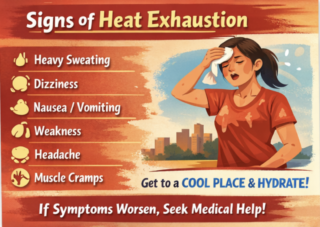
If dehydration continues or your body cannot keep up with the heat, it can turn into heat exhaustion. At this stage, your body is starting to struggle to regulate its temperature.
You may feel weak, dizzy, or nauseous. Many people experience heavy sweating but have cool, clammy skin. Headaches and muscle cramps are also common, and in some cases people may faint.
If this happens, get out of the heat immediately. Move into a shaded or air-conditioned space, drink fluids slowly, and try to cool your body down with cold compresses or a damp cloth. If symptoms do not improve within about an hour or if they get worse, it is important to seek medical care.
Heat Stroke: A Medical Emergency
Heat stroke is the most serious heat-related illness and requires immediate medical attention. At this point, the body can no longer control its temperature.
Signs of heat stroke include a very high body temperature, confusion, a rapid pulse, and skin that feels hot to the touch. Some people lose consciousness or become disoriented.
If you suspect heat stroke, call 911 right away. While waiting for help, move the person into a cooler area and try to lower their body temperature with cool cloths or ice packs. Do not give fluids if they are not fully alert.
Staying Hydrated the Right Way

For most people, staying hydrated starts with simple daily habits. Drinking water consistently throughout the day is the most effective way to prevent heat-related illness. Waiting until you feel thirsty usually means you are already behind.
Electrolyte drinks can be helpful, especially if you are sweating heavily or spending long periods outdoors. These help replace important minerals like sodium and potassium that your body loses through sweat. Foods like watermelon, cucumbers, and oranges can also contribute to hydration.
A simple way to check your hydration level is by looking at your urine color. Light yellow is a good sign. Darker shades usually mean you need more fluids.
When IV Hydration Makes Sense
Sometimes drinking fluids is not enough, especially if dehydration becomes more severe or symptoms come on quickly. This is where IV hydration can be a much more effective option.
IV therapy delivers fluids directly into your bloodstream, which allows your body to rehydrate faster than drinking alone. It also helps restore electrolytes quickly and can improve energy levels and mental clarity in a short amount of time.
IV Hydration Services with Dr. Windsor
Dr. Windsor and her team at Doctor Housecalls of the Valley provide in-home medical care, including IV hydration treatments for heat-related illnesses. This means you can receive care without having to sit in an urgent care or emergency room.
Their services include IV fluids, electrolyte replacement, and vitamin support, all administered in the comfort of your home. This can be especially helpful if you are feeling too weak or unwell to travel.
Website:
https://drhousecallsofpv.com/
Yelp Reviews:
https://www.yelp.com/biz/doctor-housecalls-of-the-valley-scottsdale
What to Expect from IV Hydration Therapy
IV hydration treatments are customized based on what your body needs, but most include a combination of fluids, electrolytes, and vitamins.
Fluids like saline help restore hydration levels, while electrolytes such as sodium, potassium, and magnesium support muscle and nerve function. Many treatments also include vitamins like B complex and vitamin C to help with energy and recovery.
These treatments are often recommended for people dealing with more serious dehydration, ongoing heat exhaustion symptoms, or situations where it is difficult to keep fluids down.
Additional Medical Resources
If you want to learn more about heat safety and prevention, these trusted resources offer helpful guidance:
Centers for Disease Control and Prevention
https://www.cdc.gov/disasters/extremeheat/index.html
National Weather Service Heat Safety
https://www.weather.gov/safety/heat
Final Thoughts
Extreme heat can take a toll on your body faster than most people realize. Knowing how to recognize early symptoms and respond quickly can make a big difference.
Stay consistent with hydration, pay attention to how you feel, and do not ignore warning signs. If symptoms start to escalate, getting professional care quickly can help prevent serious complications.
Taking a few simple precautions can help you stay safe, healthy, and comfortable all summer long.