
Low-Dose Naltrexone (LDN): Benefits, Risks, and What the Research Says About Chronic Inflammation
Low-dose naltrexone (LDN) has become a buzzword in functional medicine, longevity circles, and chronic illness communities. Originally developed as a treatment for opioid and alcohol dependence, Naltrexone at much lower doses is now being explored for its potential role in reducing inflammation, regulating the immune system, and even supporting anti-aging strategies.
But how much of this is backed by real science—and how much is still speculative?
Here’s a comprehensive, SEO-optimized breakdown of the pros, cons, and current evidence behind LDN.
What Is Low-Dose Naltrexone?
Low-dose naltrexone refers to doses typically between 0.5 mg and 4.5 mg—far lower than the standard 50 mg dose used for treating Alcohol Use Disorder or opioid dependence.
At these lower doses, LDN appears to act very differently in the body, particularly influencing the immune system and inflammation pathways.
How LDN Works: The Science Explained
LDN is believed to work through two primary mechanisms:
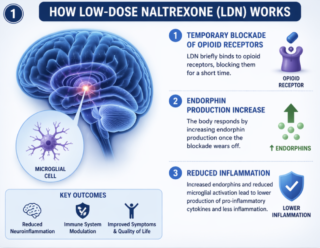
1. Endorphin Modulation
LDN temporarily blocks opioid receptors, which may stimulate the body to increase production of endorphins—your natural “feel good” and immune-regulating chemicals.
2. Microglial Cell Suppression
LDN may reduce activation of microglia (immune cells in the brain and nervous system), which play a key role in neuroinflammation. This is especially relevant in conditions like Fibromyalgia and Multiple Sclerosis.
Benefits of Low-Dose Naltrexone for Chronic Inflammation
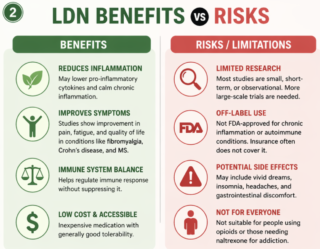
1. Reduction in Inflammatory Markers
Emerging studies suggest LDN may reduce pro-inflammatory cytokines, signaling molecules that drive chronic inflammation.
2. Symptom Improvement in Chronic Conditions
Small clinical trials and pilot studies have shown improvements in:
- Crohn’s Disease
- Fibromyalgia
- Multiple Sclerosis
Patients often report reduced pain, fatigue, and improved quality of life.
3. Low Cost and Favorable Safety Profile
LDN is inexpensive and generally well tolerated, making it an attractive off-label option for patients who have not responded to traditional therapies.
Limitations and Risks of LDN
1. Lack of Large-Scale Clinical Trials
Most studies on LDN are small, short-term, or observational. There is still a lack of large randomized controlled trials—the gold standard in medical research.
2. Off-Label Use
LDN is not FDA-approved for treating chronic inflammation or autoimmune conditions. This means:
- Insurance often doesn’t cover it
- Prescribing practices vary widely
3. Potential Side Effects
While generally mild, side effects can include:
- Vivid dreams
- Insomnia
- Headaches
- Gastrointestinal discomfort
These typically resolve within a few weeks.
LDN and Alcohol Use Disorder: What’s the Difference?
Standard-dose Naltrexone is well-established for treating Alcohol Use Disorder. It works by blocking the rewarding effects of alcohol, reducing cravings and relapse rates.
However, LDN (low-dose) has not been well studied for alcohol dependence. Most evidence supports full-dose therapy, not microdosing.
LDN in Anti-Aging and Regenerative Medicine
LDN is gaining traction in longevity and biohacking communities due to its potential to:
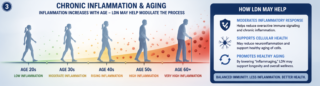
- Reduce chronic low-grade inflammation (linked to aging)
- Support immune balance
- Improve cellular signaling
Chronic inflammation—often called “inflammaging”—is a major driver of diseases like:
- Type 2 Diabetes
- Alzheimer’s Disease
While the theory is compelling, clinical evidence in anti-aging is still limited. Most claims are extrapolated from small studies or related mechanisms.
Who Might Benefit from LDN?
LDN may be considered for individuals with:
- Chronic inflammatory conditions
- Autoimmune disorders
- Persistent pain syndromes
- Conditions involving neuroinflammation
However, it should always be discussed with a qualified healthcare provider familiar with off-label therapies.
Who Should Avoid LDN?
LDN is not appropriate for:
- Individuals currently using opioid medications
- Patients with certain liver conditions
- Those needing standard-dose naltrexone for addiction treatment
Final Verdict: Is LDN Worth Considering?
Low-dose naltrexone sits in an interesting middle ground between promising and unproven.
What we know:
- It shows real anti-inflammatory and immune-modulating potential
- It appears safe and accessible
- Early clinical results are encouraging
What we don’t know:
- Long-term outcomes
- Optimal dosing protocols across conditions
- Large-scale validation in rigorous trials
If you’re dealing with chronic inflammation and conventional treatments haven’t worked, LDN may be worth exploring—but with realistic expectations.
