
Heat Exposure Warning Signs: How to Recognize Heat Exhaustion and Heat Stroke
Every summer, extreme heat sends thousands of people to the emergency room. In places like Arizona, where temperatures regularly climb above 110°F, heat illness is more than just discomfort. It can quickly become dangerous or even deadly.
The problem is that heat-related illness usually doesn’t happen all at once. It develops in stages, beginning with mild dehydration and overheating before progressing into heat exhaustion and eventually heat stroke.
Knowing the warning signs early can make all the difference.
The First Stage: Mild Heat Exposure
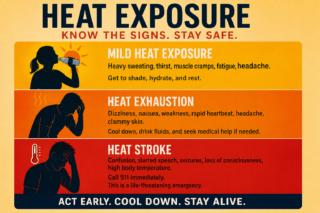
Most heat illness starts with what people often dismiss as “just being overheated.” You may notice heavy sweating, unusual fatigue, muscle cramps, headaches, or intense thirst after spending time outside.
This happens because the body is losing fluids and electrolytes faster than it can replace them. In Arizona’s dry climate, this can happen surprisingly fast because sweat evaporates so quickly that many people don’t realize how dehydrated they’ve become.
At this stage, the body is still able to cool itself, but it’s struggling.
The best thing you can do is get out of the heat immediately. Move into shade or air conditioning, drink water slowly, and allow your body time to recover. Ignoring these early symptoms is often what leads to more serious heat illness.
When Heat Exposure Becomes Heat Exhaustion
Heat exhaustion is the body’s warning that it can no longer keep up with the heat.
Symptoms become more intense and may include dizziness, nausea, weakness, headaches, rapid heartbeat, and clammy skin. Some people feel lightheaded or faint, while others become mentally foggy and unusually tired.
Unlike mild heat stress, heat exhaustion can become dangerous quickly if it isn’t treated.
The body is now struggling to regulate temperature and maintain proper circulation. Dehydration worsens, heart rate increases, and internal temperature continues climbing.
Treatment should happen immediately. Cooling the body is critical. Move indoors if possible, loosen clothing, drink fluids with electrolytes, and use cool towels or ice packs around the neck and under the arms.
If symptoms continue getting worse, medical attention may be necessary.
Heat Stroke Is a Medical Emergency
Heat stroke is the most severe form of heat illness and requires immediate emergency care.
At this point, the body’s cooling system begins to fail entirely. Core body temperature rises rapidly, and serious damage to the brain and organs can occur within minutes.
Warning signs include confusion, slurred speech, loss of consciousness, seizures, and extremely high body temperature. Some people stop sweating altogether, although others may continue sweating heavily.
Heat stroke is not something you “sleep off” or wait out.
If someone shows signs of heat stroke, call 911 immediately and begin cooling them while waiting for emergency responders. Move them into shade, remove excess clothing, and apply ice or cool water as quickly as possible.
Rapid cooling saves lives.
Why Arizona Heat Is Especially Dangerous
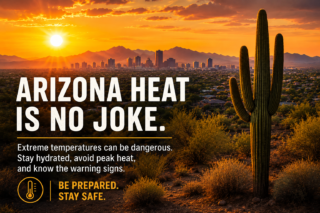
Extreme heat in Arizona creates unique risks. The dry desert climate causes people to lose fluids rapidly, often before they even realize they are dehydrated.
Cities like Phoenix, Arizona, USA regularly experience temperatures well above 100°F for extended periods during the summer. Outdoor workers, hikers, athletes, and older adults are especially vulnerable.
One of the biggest mistakes people make is assuming they can “push through” the heat. The body does not adapt instantly, and prolonged exposure can overwhelm even healthy individuals.
How to Prevent Heat Illness
Preventing heat illness starts with respecting the heat before symptoms begin.
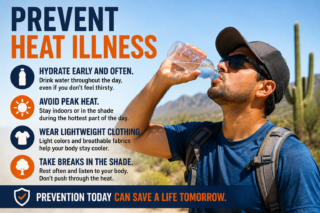
Hydration is essential, but timing matters too. Drinking water only after you feel thirsty often means you’re already behind. Staying ahead of dehydration throughout the day is especially important in hot climates.
Avoiding outdoor activity during peak afternoon heat can dramatically reduce risk. Early mornings and evenings are much safer for exercise, yard work, or hiking.
Clothing also matters more than many people realize. Lightweight, breathable fabrics help the body cool itself more effectively, while heavy or dark clothing traps heat.
Most importantly, pay attention to how you feel. Fatigue, dizziness, cramps, and nausea are not signs to “tough it out.” They are warning signals from your body.
Final Thoughts
Heat illness can escalate quickly, especially during Arizona summers. What begins as mild overheating can turn into heat exhaustion or heat stroke within a short period of time if symptoms are ignored.
Understanding the progression of heat illness — and responding early — is one of the best ways to stay safe in extreme temperatures.
If you spend time outdoors during hot weather, know the signs, stay hydrated, and take heat exposure seriously before it becomes an emergency.
