
March 2026 Heat Wave in Arizona: What You Need to Know About Dehydration, Heat Exhaustion, and When to Seek Medical Care
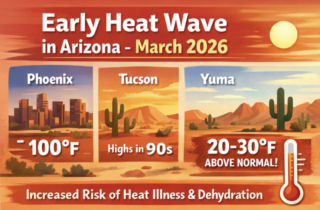
Arizona is experiencing an unusually early heat wave in March 2026, with temperatures reaching levels that are normally seen much later in the year. Cities across the state, including Phoenix, Tucson, and Yuma, are seeing highs near or above 100°F — something that typically doesn’t happen until late spring or early summer. Because this extreme heat is arriving earlier than expected, the risk of dehydration, heat exhaustion, and heat stroke is significantly higher.
Early-season heat can be more dangerous than summer heat because the body has not yet had time to adjust to the temperature. People who work outdoors, older adults, children, and anyone without reliable air conditioning are especially at risk. Understanding the symptoms of heat-related illness and knowing when to seek medical care can help prevent serious complications.
Why the March 2026 Heat Wave Is More Dangerous
During this current heat wave, temperatures in parts of Arizona are running 20–30 degrees above normal for this time of year. Several desert cities are approaching triple-digit temperatures, and overnight lows have remained warm, which makes it harder for the body to cool down.
When extreme heat happens later in the summer, most people have already begun to acclimate. In March, however, the body is not prepared for prolonged exposure to high temperatures. This makes dehydration and heat illness more likely to happen quickly, even during routine outdoor activity.
Who Is Most at Risk During Extreme Heat
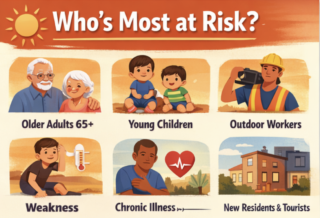
Anyone can develop heat-related illness, but some people are more vulnerable than others. Higher-risk groups include adults over age 65, infants and young children, outdoor workers, athletes, people with heart or kidney disease, and individuals taking medications such as diuretics or blood pressure medicine. Visitors to Arizona and people who recently moved to the desert are also at increased risk because they may not be used to the climate.
Lack of air conditioning, long hours outdoors, and not drinking enough fluids are some of the most common factors that lead to dehydration and heat exhaustion during early heat waves.
Understanding Dehydration and Heat-Related Illness
Heat illness usually happens in stages. Recognizing symptoms early can prevent a medical emergency.
Mild Dehydration
Early dehydration may cause thirst, dry mouth, fatigue, headache, and dark-colored urine. At this stage, drinking water or electrolyte fluids and resting in a cool environment is usually enough to recover.
Moderate Dehydration
As dehydration worsens, symptoms may include dizziness, weakness, muscle cramps, nausea, and a fast heartbeat. Urine output may decrease, and the body may feel overheated. When symptoms reach this point, oral hydration may not be enough, and medical treatment such as IV fluids may be needed.
Severe Dehydration
Severe dehydration is a medical concern and can lead to confusion, fainting, very low blood pressure, and inability to keep fluids down. In these cases, immediate medical evaluation is recommended, often in an emergency department, where IV hydration and monitoring can be provided.
What Is Heat Exhaustion
Heat exhaustion occurs when the body loses too much fluid and salt through sweating and cannot cool itself effectively.
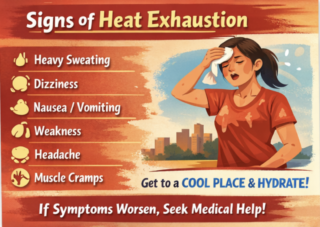
Common symptoms include heavy sweating, pale or clammy skin, weakness, headache, nausea, dizziness, and muscle cramps. Some people may feel lightheaded or faint.
If caught early, heat exhaustion can often be treated by moving to a cool place, drinking fluids, and resting. However, if symptoms do not improve or continue to get worse, medical care may be necessary. IV hydration can help the body recover faster when oral fluids are not enough.
Heat Stroke Is a Medical Emergency
Heat stroke is the most serious form of heat illness and requires immediate treatment.
Symptoms may include a body temperature above 104°F, confusion, loss of consciousness, seizures, hot or flushed skin, and a rapid pulse. In some cases the person may stop sweating even though they are overheated.
Heat stroke can lead to organ damage and can become life-threatening very quickly. If these symptoms occur, call 911 immediately. Do not wait to see if the person improves.
When to Call 911, Go to the ER, or Seek IV Hydration
Knowing where to seek care depends on the severity of symptoms.
Call 911 right away if someone has confusion, fainting, seizures, or a very high body temperature.
Go to the emergency department if there are signs of severe dehydration, persistent vomiting, or inability to drink fluids.
Urgent care or mobile IV hydration services may be appropriate for moderate dehydration or heat exhaustion when the person is alert but not improving with oral fluids.
Mild dehydration can usually be treated at home by drinking water, using electrolyte drinks, and staying in a cool environment.
IV Hydration and Nutrition Therapy Options
IV hydration is sometimes needed when the body cannot absorb enough fluid by drinking alone. This can happen during heat exhaustion, moderate dehydration, or after prolonged time outdoors.
Treatment may include IV fluids such as saline, electrolyte replacement, anti-nausea medication, or vitamin infusions. These therapies can be given in urgent care clinics, emergency departments, or through mobile medical services that provide IV hydration at home or at work.
The goal of IV therapy is to restore fluids quickly, improve symptoms, and prevent the condition from progressing to something more serious.
How to Prevent Heat Exhaustion and Dehydration
The good news is that most heat-related illness can be prevented with proper hydration and awareness.
Drink fluids regularly throughout the day, even if you do not feel thirsty. During extreme heat, electrolyte drinks can help replace salt lost through sweat. Avoid excessive alcohol and limit caffeine, which can contribute to dehydration.
Try to stay indoors during the hottest part of the day, usually between late morning and late afternoon. When outside, wear light clothing, take frequent breaks, and use shade whenever possible.
People who work outdoors or exercise in the heat should start hydrating before activity begins and continue drinking fluids regularly. If you begin to feel dizzy, weak, or nauseated, stop and cool down immediately.
Older adults, children, and people with medical conditions should be especially careful during early-season heat waves, when the body is not yet used to high temperatures.
Final Thoughts
The March 2026 heat wave in Arizona is a reminder that extreme heat can happen earlier than expected, and it can become dangerous quickly. Dehydration, heat exhaustion, and heat stroke are all preventable, but only if symptoms are recognized early and treated appropriately.
Staying hydrated, avoiding prolonged heat exposure, and knowing when to seek medical care can make the difference between a quick recovery and a serious medical emergency. If symptoms do not improve with rest and fluids, medical evaluation — including IV hydration if needed — may help prevent more severe illness.
